A Practical Guide to Hi-Vis and Safety Workwear
By The Velocity Wear Team
Need this made?Get pricing for this product— free, no obligation, 50 pieces minimum.
High-visibility clothing exists for one reason: to make sure a person is seen before something heavy or fast reaches them. That single purpose has serious consequences, which is why hi-vis is one of the few categories of workwear governed by formal standards rather than taste. Buying it well means understanding what those standards actually mean, where the visibility comes from, and how comfort and branding fit around the non-negotiable safety requirements. This guide breaks down hi-vis and safety workwear in plain language so you can specify kit that genuinely protects your team and still works as a uniform.
How visibility actually works
Hi-vis relies on two different mechanisms working together. Fluorescent background fabric makes the wearer stand out in daylight by reacting to ultraviolet light, glowing brighter than ordinary colours. Retroreflective tape bounces vehicle headlights straight back to the driver at night. You need both, because each only does half the job — fluorescent fabric is nearly useless in the dark, and reflective tape does little in bright daylight.
- Fluorescent colours — typically yellow, orange-red and sometimes pink or green — provide daytime conspicuity.
- Retroreflective bands provide night-time visibility under headlights and torches.
- The amount and placement of both is what determines a garment’s visibility class.
- Faded, dirty or worn-out fabric loses fluorescence, so old hi-vis quietly stops doing its job.
Understanding the visibility classes
High-visibility garments are graded into classes based on how much fluorescent and reflective material they carry. The higher the class, the more material and the greater the visibility — and the higher the risk environment it is intended for. Matching the class to the hazard is the core of specifying hi-vis correctly, and getting it wrong cuts both ways: under-specify and you leave people dangerously hard to see, over-specify and you saddle a low-risk team with hot, bulky garments they resent wearing.
- Class 1 (lowest) — limited fluorescent and reflective area, suited to low-risk settings well away from traffic.
- Class 2 (mid) — a vest or polo with a full band of reflective tape, suitable for environments with moderate vehicle movement.
- Class 3 (highest) — sleeves and full coverage with substantial reflective area, required near fast or heavy traffic and for poor visibility.
- Always check the standard and your site risk assessment; the class you need is driven by speed, proximity and lighting, not preference.
Choosing the right garment for the environment
Hi-vis is no longer just a tabard. The category now spans a full wardrobe — vests, polos, t-shirts, softshells, bodywarmers, jackets and trousers — which means you can keep people visible and comfortable in any weather across a whole shift. The trick is choosing the garment that suits the climate and task, because a worker who is too hot will take their hi-vis off, and a worker who is freezing will pull a non-compliant coat over the top of it. Either way the certified visibility is lost, which defeats the entire point of buying it.
- Vests and tabards: lightweight, breathable and easy to throw over existing clothing for visitors or warm conditions.
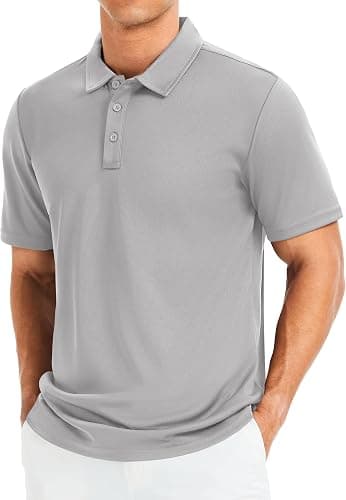
- Polos and t-shirts: comfortable for active outdoor work where a vest would be sweaty or restrictive.
- Softshells, bodywarmers and jackets: warmth and weather protection for cold or wet sites, with visibility built in.
- Trousers with reflective bands: complete the high coverage needed for the most demanding environments.
The safest hi-vis is the one your team keeps on all day. Comfort isn’t a luxury here — it’s a safety feature.
Branding hi-vis without breaking it
You can absolutely add a company name and logo to hi-vis, and doing so helps identify your team on a busy site. The key rule is that branding must never reduce the certified visibility — you cannot cover reflective tape or fluorescent area with a large print, so placement and method matter.
- Keep logos within the approved branding zones — typically the chest and upper back — without overlapping reflective bands.
- Use compatible decoration methods; heat-applied transfers and embroidery both work, but placement and size matter.
- A clear company name across the back helps supervisors and the public identify authorised personnel.
- Keep branding consistent across vests, polos and jackets so the whole crew reads as one organised team.
Care, inspection and replacement
Hi-vis has a finite working life. Every wash, every scuff and every hour in sunlight degrades the fluorescence and the reflective performance. A garment that looks fine but has gone grey and dull is no longer protecting anyone, so a simple maintenance routine matters as much as the original purchase. The danger is that this decline is gradual and easy to ignore — nobody decides to wear unsafe hi-vis, they just never notice the day it quietly stopped doing its job, which is why a scheduled inspection beats waiting for someone to flag it.
- Wash according to the label — harsh detergents and excessive heat accelerate fade.
- Inspect regularly for fading, cracked reflective tape and heavy soiling that masks the colour.
- Retire garments that have lost their brightness, even if the seams are intact.
- Keep spares on hand so a damaged garment is replaced immediately rather than worn out of necessity.
When you need branded hi-vis that performs and looks the part, Velocity Wear produces custom high-visibility vests, polos, softshells and jackets with embroidery or print applied within safe branding zones, from a 50-piece minimum and with tiered discounts as your crew grows. We ship tracked to the UK, USA, Europe and worldwide, and a free quote is the quickest way to kit out your team with visible, comfortable, properly branded safety wear.